After a big hailstorm rolls through, a knock at the door and a friendly offer to “inspect your roof for free” can leave you asking, are door to door roofers a scam or a legitimate service. The honest answer is that not every door-knocking roofer is a fraud, but the door-to-door approach right after a storm is the exact tactic that dishonest “storm chasers” rely on, and Tulsa sits in a part of Oklahoma that sees plenty of hail and high wind. Knowing how to tell a trustworthy contractor from a con artist protects your money, your roof, and even your insurance standing. This guide walks you through the warning signs, your rights as a homeowner, and the simple checks that separate the real professionals from the ones who will take your deposit and disappear.
Are Door to Door Roofers a Scam? The Honest Answer
It depends entirely on who is standing on your porch. Some roofers canvass storm-hit neighborhoods because demand spikes and the work is genuinely there, and a few are simply hardworking crews trying to help a community that needs roofs repaired fast. The problem is that the same setting attracts traveling operators who follow severe weather from town to town, pressure homeowners into signing immediately, do shoddy work or none at all, and are gone before anyone notices. So the door knock itself is not proof of a scam, but it is a signal to slow down and verify before you trust anyone. Learning to recognize the signs of a home improvement scam is the best protection you have.
Who Are Storm Chasers?
“Storm chasers” are contractors, often from out of the area, who travel to places recently hit by hail, wind, or tornadoes. They arrive within days armed with a polished sales pitch, claiming they have crews on standby and materials ready, and they press homeowners to act fast to “avoid further damage.” Their urgency is the point, because it leaves little time to think, compare bids, or check credentials. Some perform low-quality work with cheap materials that leak within a season, and others collect a deposit and never return. Because they have no roots in your community, there is no local office to revisit and no reputation to protect when warranty problems surface later.
Red Flags to Watch For
Most roofing scams share a recognizable set of warning signs. Be cautious if a contractor does any of the following:
- Shows up uninvited and pressures you to sign a contract or pay on the spot.
- Demands full payment up front, or insists on cash only.
- Has out-of-state license plates, no verifiable local address, or lists only a P.O. box.
- Offers to cover, waive, or “eat” your insurance deductible, which is a serious red flag and is illegal in many states.
- Reports major damage you cannot see, or is caught lifting shingles or denting vents to manufacture it.
Why the Door-to-Door Pitch Works After a Storm
These tactics succeed because of timing and emotion. A homeowner who just watched hail batter the roof is worried, often rattled, and eager to get repairs handled before the next storm. Scammers lean into that fear, sometimes claiming the damage is far worse than it is or hinting that the insurance window is closing. At the same time, the reputable local contractors who have served the area for years are slammed with calls and may not get to your home for a while, which makes the stranger offering to start “today” feel like a lifesaver. That gap between urgency and availability is exactly where storm chasers operate, so the smartest move is to resist the pressure and take the time to vet anyone before they touch your roof.
How to Tell a Legitimate Roofer From a Scam
The good news is that verification is straightforward. In Oklahoma, roofing contractors are required to be registered with the state Construction Industries Board, so you can confirm a roofer’s standing before you sign anything. Check that the contractor carries current liability and workers’ compensation insurance, and verify any required licensing through the proper channels rather than taking a business card at face value. Insist on a written estimate and a detailed contract, get more than one bid so you can spot an outlier, and never wire money or pay a large sum in cash before work is done.
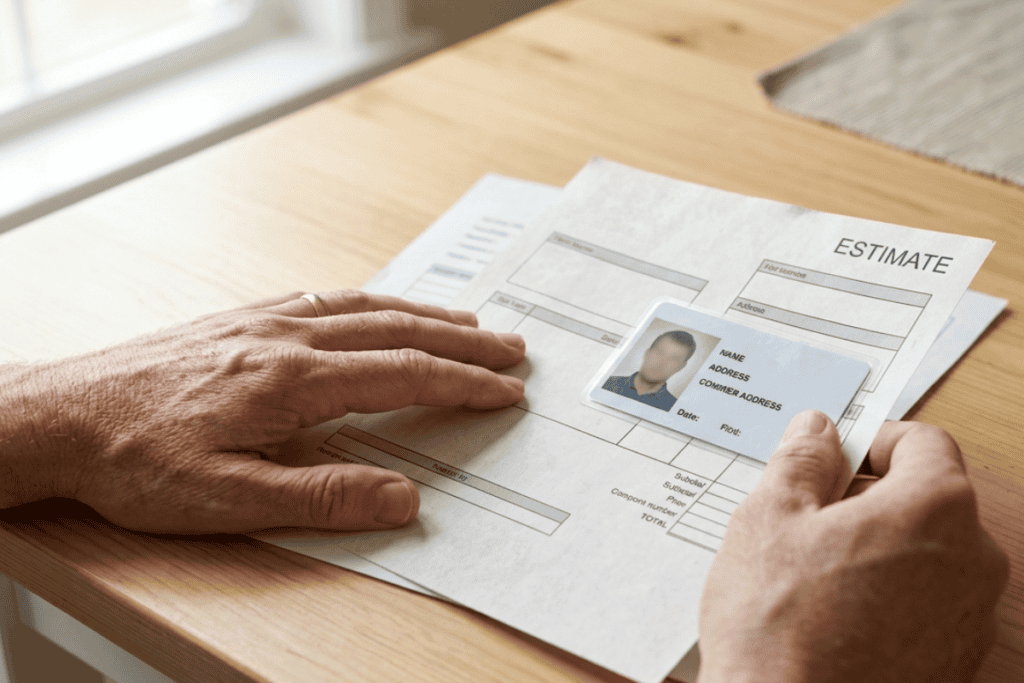
A few simple habits keep you in the safe lane:
- Call your insurance company first, before allowing repairs or even a roof inspection, so the claim stays on solid footing.
- Get everything in writing, including scope, materials, timeline, and total cost.
- Pay by check or card so there is a paper trail, and avoid large upfront payments.
- Photograph the contractor’s vehicle, plates, and identification, and report suspected fraud to the authorities.
- Take your time, since a trustworthy contractor will never punish you for getting a second opinion.
Why Choose Standard Exteriors and Roofing
Standard Exteriors and Roofing is the opposite of a storm chaser. We have been a local, established name in Tulsa since 2014, with a real office, verifiable credentials, and a reputation we intend to keep for decades. When you call us, you get a straightforward inspection, an honest assessment of what your roof actually needs, and a clear written estimate with no high-pressure sales theater. We work with homeowners and their insurers through a transparent process, and we stand behind our work long after the job is done. If a storm has rolled through and you want a trustworthy local team rather than a stranger at the door, call us at (844) 766-3918 to schedule an inspection on your schedule.
Conclusion
So, are door to door roofers a scam? Not all of them, but the door-to-door pitch after a storm is the favorite playbook of contractors who are, which is why a knock at the door should trigger caution rather than a quick signature. Slow down, watch for the red flags, verify licensing and registration, talk to your insurer first, and never pay large sums up front in cash. Those few steps will steer you away from nearly every roofing scam out there.
When you are ready for a roofer you can actually verify, reach out to Standard Exteriors and Roofing at for a no-pressure inspection and a clear plan for your home.
Frequently Asked Questions
How can you tell if a roofing contractor is legitimate?
A legitimate roofer has a verifiable local business address and phone number, proper licensing or state registration, and current liability and workers’ compensation insurance. They provide a written estimate and a detailed contract, and they do not pressure you to sign on the spot. You can check reviews and confirm their credentials with your state’s licensing board or the Better Business Bureau before committing.
Should I let a roofer inspect my roof for free?
A free inspection can be useful, but be careful about who you allow onto your roof. Some dishonest contractors use the inspection to exaggerate or even create damage so they can push a claim or a sale. If a roofer reports damage you did not know about, it is wise to get an independent second opinion before signing anything.
Why do roofers go door to door?
After a hailstorm or windstorm, demand for roof repairs spikes, and some contractors canvass affected neighborhoods to find work quickly. Local, established companies are often too busy after a storm to drive around knocking on doors. That is why an unsolicited door knock right after a storm deserves extra scrutiny, even though not every door-knocking roofer is dishonest.
Is it illegal for a roofer to pay your deductible?
In many states it is illegal for a contractor to waive, absorb, or “eat” your insurance deductible, and doing so can amount to insurance fraud that puts the homeowner at risk too. The deductible is the homeowner’s required share of the claim under the policy. A contractor who offers to make it disappear is a serious warning sign, no matter how the deal is framed.
Should you get a roof inspection after every major storm?
It is a good idea to have your roof checked after significant hail, high winds, or a severe storm, since some damage is not visible from the ground and can lead to leaks later. You can do an initial look yourself for missing shingles, dents, or debris on the ground. For a thorough assessment, a reputable local contractor or your insurer’s adjuster can evaluate the roof.
